
Mental health is closely linked to what we eat. Emerging research shows that certain nutrients can enhance brain function, improve mood, and support overall mental well-being. In this guide, we’ll explore food and your mood, the top foods that boost mental health, highlight foods to avoid, and provide practical tips for maintaining a balanced diet that supports your mind and body.
Diet, Mood, and Concentration: How Food Impacts Mental Health
The brain is a highly active organ, consuming about 20% of your daily calories. Nutrients from food provide the fuel for neurotransmitters—chemicals that regulate mood, memory, and concentration. Consuming a diet rich in foods that improve memory and concentration can reduce stress, boost energy levels, and promote better cognitive function.
Some nutrients that specifically support mental health include:
- Omega-3 fatty acids: Found in salmon, flaxseeds, and walnuts, they support brain cell structure and improve mood.
- B vitamins: Eggs, legumes, and leafy greens aid neurotransmitter production.
- Magnesium and Zinc: Essential for nervous system function and mood regulation.
A balanced diet is not just about what you eat but how it affects your concentration, mood, and overall mental resilience.
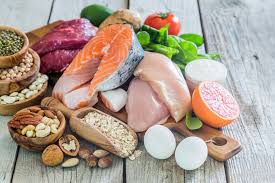
Top 10 Foods for Mental Health and a Better Mood
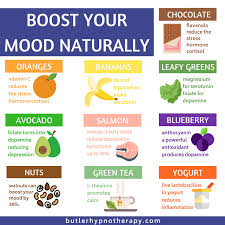
Here’s a list of the most effective good mood foods for depression and general mental wellness:
- Fatty Fish – Rich in Omega-3s, it enhances brain function and reduces symptoms of depression.
- Leafy Greens – Spinach, kale, and broccoli are loaded with folate and B vitamins for better neurotransmitter function.
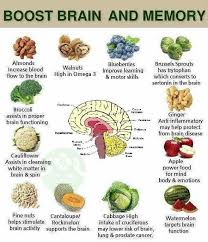
- Berries – Blueberries, strawberries, and raspberries are packed with antioxidants that reduce brain inflammation.
- Nuts and Seeds – Almonds, walnuts, pumpkin seeds support brain recovery and memory.
- Whole Grains – Oats, quinoa, and brown rice provide steady energy and stabilize mood.
- Legumes – Beans and lentils boost serotonin production.
- Dark Chocolate – Contains flavonoids that improve blood flow to the brain and elevate mood.
- Fermented Foods – Yogurt, kimchi, and kefir promote gut health, which is linked to mental health.
- Avocados – High in healthy fats that support brain structure and cognitive function.
- Eggs – Rich in choline, which helps memory and focus.
Including these top 10 foods for mental health in your diet regularly can significantly improve your emotional well-being and cognitive performance.
Worst Foods for Mental Health: What to Avoid
Just as some foods boost mental health, others can have a negative effect. Certain dietary patterns increase the risk of anxiety, depression, and poor concentration:
- Sugary drinks – High sugar intake spikes blood glucose and can worsen mood swings.
- Highly processed foods – Packaged snacks, fast food, and refined carbs can contribute to brain inflammation.
- Excessive caffeine or alcohol – Both can disrupt sleep, increase anxiety, and negatively impact mental health.
Being mindful of these worst foods for mental health helps maintain stable energy levels and supports emotional balance.

Gut Health and Mental Health: The Connection You Need to Know to improve mental health
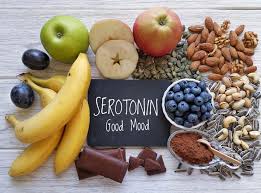
Did you know that up to 90% of serotonin, a key mood-regulating neurotransmitter, is produced in the gut? This means that gut health directly affects mental health. i.e food and your mood is interconnected.
- Probiotic foods like yogurt, kefir, and sauerkraut enhance gut microbiota, improving mood and reducing symptoms of anxiety and depression.
- High-fiber foods such as vegetables, fruits, and legumes feed healthy gut bacteria, supporting brain function.
Maintaining gut health is a vital part of a strategy for foods that boost mental health.
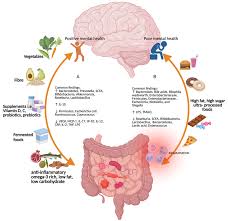
A Healthy Diet Helps Treat Depression and Anxiety
While nutrition alone is not a cure, research shows that a nutrient-rich diet can be an effective adjunct to traditional treatments for depression and anxiety.
- Diets rich in Omega-3s, vitamins, and antioxidants help reduce symptoms of depression.
- Eating regular meals and avoiding extreme calorie restriction stabilizes blood sugar, preventing irritability and fatigue.
Incorporating good food and your mood for depression into your daily diet supports both emotional and physical health.
How You Eat is Important Too: Eating Habits for Brain Health
The timing and habits around eating also influence mental well-being:
- Regular meal timing prevents mood crashes and improves concentration.
- Mindful eating—paying attention to your meals—reduces stress and promotes better digestion.
- Hydration is crucial: Even mild dehydration can impair cognitive function and mood.
These practices complement the effects of foods that improve memory and concentration.
Best Foods for Brain Recovery and Memory Improvement
For individuals recovering from mental fatigue, trauma, or stress, certain foods can accelerate brain recovery:
- Fatty fish and eggs for cognitive repair.
- Leafy greens and berries to reduce oxidative stress in the brain.
- Nuts and seeds to supply essential fatty acids and minerals.
A diet focused on these foods enhances cognitive resilience and sharpens memory.
Where to Get Help: Nutrition Support for Mental Health
If you struggle with mood disorders, anxiety, or depression, professional guidance is crucial. Nutritionists, therapists, and doctors can provide tailored advice on incorporating foods that boost mental health into your lifestyle.