
Maintaining a healthy lifestyle begins with one fundamental habit — eating a balanced diet. A balanced diet provides your body with all essential nutrients, vitamins, and minerals it needs to function effectively. Whether you’re aiming to lose weight, boost energy, or improve immunity, following a balanced diet chart for healthy lifestyle can help you achieve your health goals naturally.
In this blog, you’ll learn what a balanced diet is, its importance, essential nutrients, and a sample balanced diet chart for daily meal planning.
What is a Balanced Diet?
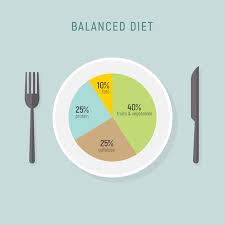
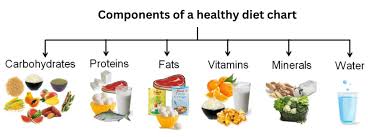
A balanced diet is a combination of different foods that provide your body with the right proportion of carbohydrates, proteins, fats, vitamins, minerals, and water. The goal of a balanced diet is not just to fill your stomach but to nourish your body and mind. It ensures that every meal supports growth, repairs tissues, and strengthens your immune system.
Simply put — a balanced diet means eating the right foods, in the right amounts, at the right times.
Importance of a Balanced Diet
A balanced diet chart helps in maintaining overall health. Here are some major benefits:
- Improves Energy Levels:
A balanced diet provides sufficient carbohydrates and proteins that fuel your body throughout the day. - Boosts Immunity:
Vitamins like C and D, along with minerals such as zinc and iron, help strengthen the immune system. - Supports Mental Health:
Foods rich in omega-3 fatty acids, like fish and nuts, enhance brain function and reduce stress. - Promotes Healthy Weight:
Eating balanced portions helps you maintain a healthy weight and reduces the risk of obesity. - Reduces Risk of Diseases:
A proper diet helps prevent chronic conditions like diabetes, hypertension, and heart diseases. - Improves Digestion:
Fiber-rich foods like fruits, vegetables, and whole grains promote healthy digestion.
Essential Components of a Balanced Diet for a Healthy Lifestyle
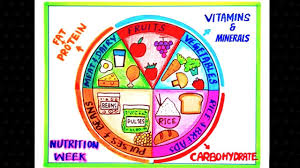
Here’s what every balanced diet plan must include:
1. Carbohydrates (50–60%)
Carbohydrates are your body’s main energy source. Choose complex carbs like:
- Brown rice
- Oats
- Whole wheat
- Millets
- Sweet potatoes
Avoid refined carbs such as white bread, pastries, and sugary snacks.
2. Proteins (20–25%)
Proteins are vital for muscle repair and tissue growth. Include:
- Eggs
- Fish and chicken
- Pulses and legumes
- Tofu and paneer
- Nuts and seeds
3. Fats (10–15%)
Healthy fats are essential for brain function and hormone balance. Choose:
- Olive oil
- Avocado
- Flaxseeds and walnuts
- Ghee in moderation
Avoid trans fats found in fried and processed foods.
4. Vitamins and Minerals
These micronutrients are needed in small amounts but are crucial for overall health. Include:
- Fresh fruits (oranges, apples, papayas)
- Vegetables (spinach, carrots, broccoli)
- Dairy products for calcium
- Nuts for magnesium and zinc
5. Water
Hydration is key. Drink at least 8–10 glasses of water daily. Water supports digestion, detoxification, and metabolism.
Sample Balanced Diet Chart (for Adults)
Here’s a sample balanced diet chart that you can follow daily:
Morning (6:30 – 7:30 AM)
- 1 glass of warm water with lemon or soaked fenugreek seeds
- Green tea or black coffee (optional)
Breakfast (8:00 – 9:00 AM)
- 1 bowl of oats porridge or vegetable upma
- 1 boiled egg or paneer cubes
- 1 glass of low-fat milk or smoothie
- 1 fruit (banana or apple)
Mid-Morning Snack (11:00 AM)
- A handful of nuts and seeds (almonds, walnuts, chia seeds)
- 1 cup of green tea or coconut water
Lunch (1:00 – 2:00 PM)
- 1 cup of brown rice or 2 whole wheat chapatis
- 1 bowl of dal (lentils)
- 1 cup of vegetable curry (mixed veggies or spinach)
- 1 small bowl of curd or salad
Evening Snack (4:30 – 5:30 PM)
- 1 cup of herbal tea
- Roasted chickpeas or vegetable sandwich
Dinner (7:30 – 8:30 PM)
- 2 whole wheat chapatis or a bowl of vegetable soup
- Grilled fish or paneer
- Steamed vegetables or stir-fried greens
Before Bed (10:00 PM)
- 1 glass of warm turmeric milk
Balanced Diet Chart for Different Age Groups
For Children (6–12 years):
- Include milk, eggs, fruits, vegetables, and whole grains.
- Limit junk food and sugary snacks.
For Teenagers:
- Increase protein intake to support growth.
- Add calcium-rich foods for strong bones.
For Adults:
- Focus on maintaining portion control.
- Include fiber and antioxidant-rich foods.
For Seniors:
- Choose soft, easily digestible meals.
- Increase calcium, vitamin D, and hydration.
Tips
- Eat Small, Frequent Meals: Avoid long gaps between meals.
- Plan Ahead: Prepare a weekly diet chart to stay consistent.
- Control Portion Size: Use smaller plates to manage portions.
- Limit Sugar and Salt: High sodium and sugar can lead to health issues.
- Stay Hydrated: Water aids digestion and nutrient absorption.
- Include Seasonal Foods: Fresh, local produce is more nutritious.
Read More: How to detox liver naturally at home